


After releasing the AI Chatbot for desktop use two weeks ago, Microsoft is now extending the preview of its AI chatbot to Bing and Edge Mobile Apps. According to Microsoft: “Two weeks ago, we introduced the world to the all-new AI-powered Bing and Microsoft Edge – your copilot for the web. Since then, based on strong and positive product feedback and engagement, we’ve welcomed more than one million people in 169 countries off the waitlist into the preview. We continue to expand the preview to more people every day. Our preview community is actively using the breadth of new features across Search, Answers, Chat and Creation with total engagement up significantly. Feedback on the new capabilities is positive, with 71% of testers giving the new Bing a “thumbs up” on the new search and answers capabilities.” Microsoft is seizing the moment as Bing receives the most attention it has in years with the release of new Bing and Edge mobile applications that integrate AI. “Available on iOS and Android today, the Bing mobile app offers a fresh look and experience. Tapping the Bing icon at the bottom will invoke a chat session, where you can engage in all the same ways you can from the desktop. Ask simple or complex questions and receive answers and citations. Choose how you want your answers displayed – bullet points, text or simplified responses. Explore the Bing chat experience to refine your query or compose an email, poem or list.” In an effort to quickly iterate on the choice, Microsoft is also introducing AI-powered Bing for Skype, giving users another method to access its new AI features. Read: How to Optimize Your Landing Page for SEM in 2023?-An Ultimate Guide Faced with impending competition from Google and others, Microsoft is acting fast to increase the reach of its AI-powered search engine. The new Bing presents search results as conversations by utilizing a sophisticated variation of ChatGPT creator OpenAI’s large language model. For those who have been accepted into the preview, Microsoft says the AI features will be accessible in the Bing and Edge mobile apps beginning later today. More than 1 million individuals who joined the waitlist in 169 nations are now able to access the Bing and Edge AI preview, according to Microsoft.
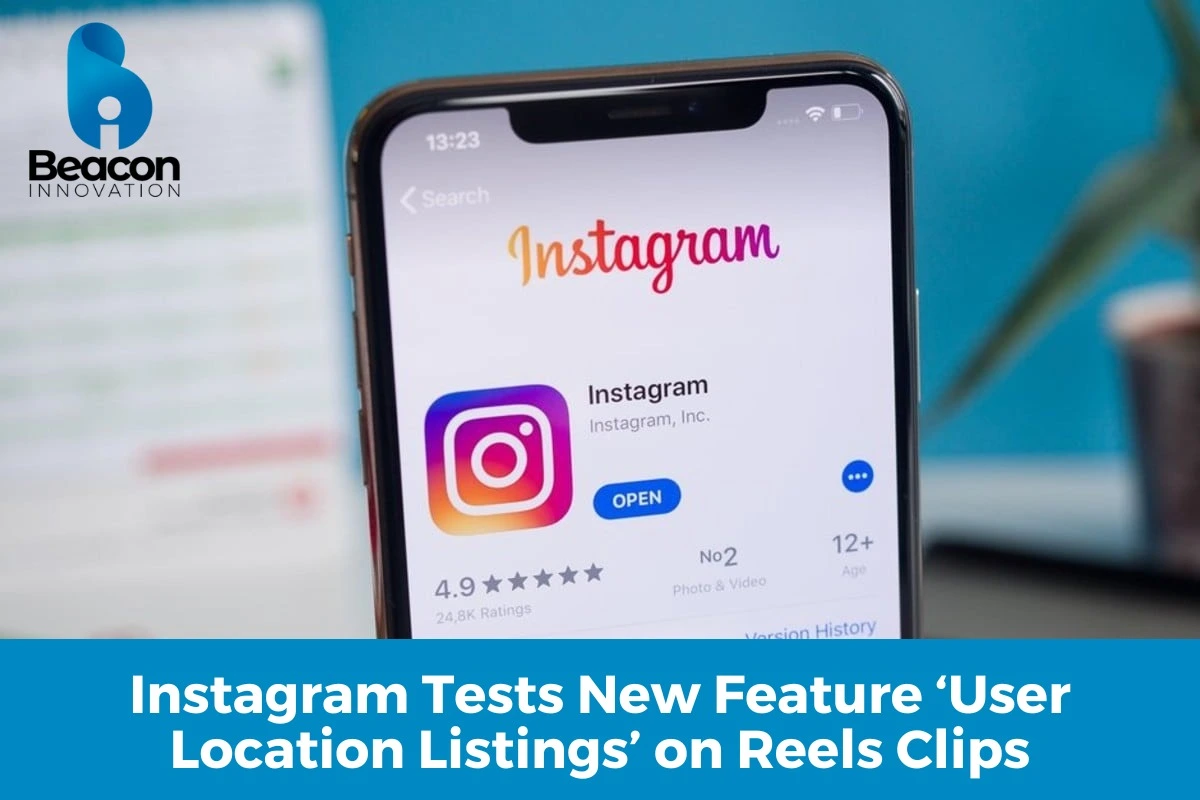
Instagram Tests New Feature ‘User Location Listings’ on Reels Clips
Instagram is experimenting with a feature ‘User Location Listings’ that aims to increase transparency around Reels content. The platform is testing the option to list the location of the profile that created the clip on the video. An example shared by Salman Memon shows that location information is now visible on certain Reels clips. The explanation in the app is as follows: “Instagram is providing this information because, in rare cases, accounts may be misleading people about where they’re based.” Instagram’s “learn more” CTA then takes you to a page with false information outlined—measures that it’s implementing to combat misinformation on the app. Read: Top 10 Social Media Mistakes That Are Hurting Your Brand Exposing these operations could be a good way to reduce their effectiveness, or at least make users aware of how groups outside the region may try to influence opinion on certain subjects. Listing the location of posts up front adds an extra layer of important context, and could highlight potential misinformation to users. It’s also simple and unobtrusive; it’s a way to draw attention that won’t confuse or distract the viewer from comprehending the information being presented. In recent years, Instagram has added a number of elements to combat the spread of misinformation on its platform: labels that identify false information; removal from search results for posts containing questionable content; and proactive detection by artificial intelligence. According to Meta’s most recent Coordinated inauthentic Behavior update, the company has taken down over 200 global networks—from 68 countries—as it continues its efforts against those looking to use its platforms and manipulate users. This is another force behind the push to find out what happened, and while its role may not seem significant at first glance, it could prove critical in a wider perspective.

How to Optimize Your Landing Page for SEM in 2023?-An Ultimate Guide
Landing pages play a crucial role in search engine marketing (SEM) campaigns. These are the web pages that visitors get at after clicking on an advertisement, and they play a crucial role in turning those visitors into clients. In order to ensure that your landing pages are successful in generating conversions, it’s crucial to optimize them for SEM. In this article, We’ll go over some recommended practices and pointers on how to optimize your landing page for SEM. We’ll talk about user experience, testing, call-to-action optimization, design, and more. How to Optimize Your Landing Page for SEM – Best Practices There are various best practices to remember while creating landing pages for SEM. First, maintain a straightforward, uncomplicated design. Use as few graphics or other visual components as possible to prevent visitors from being drawn away from the call to action. Make sure the landing page has a call-to-action that is obvious and conspicuous and can be seen above the fold. Landing Page Optimization The first step in optimizing your landing pages for SEM is to make sure that they are optimized for the keywords you are targeting in your ads. This means that the landing page should include pertinent, excellent content that is unique to the term in your advertisement. Along with having a strong title that complements the advertisement, the landing page should also be visually appealing and simple to use. Improving Landing Page Design The design of your landing page can have a significant impact on its effectiveness. It’s crucial to employ legible and easily readable fonts, as well as a consistent and aesthetically pleasing layout. Make sure the call-to-action on the landing page is distinct from the other material and is both clear and conspicuous. Improve User Experience The success of your landing page depends on how easy it is for users to utilize. Make that the website has a clear hierarchy of information, loads quickly, and is responsive to mobile devices. To break up long paragraphs of information and make the page easier to skim, use headers and bullet points. Ensure that the call-to-action is visible and accessible as well. Read: Best Practices for a Strong Visual Content Strategy in 2023 Call-to-Action Optimization Your landing page’s call-to-action (CTA) is its most crucial component. It is what spurs the visitor to act and convert into a customer. Make sure your CTA is visually noticeable and utilize persuasive content that conveys a sense of urgency to maximize its effectiveness. Make sure the CTA is positioned prominently on the page as well. SEM Landing Page Testing Testing is critical to optimizing your landing pages for SEM. A/B testing is a well-liked method for evaluating various iterations of your landing page. This entails building two variations of your landing page and comparing how well they perform against one another. Your conversion rate may be significantly impacted by testing various headlines, graphics, copies, and call-to-action placements. Landing Page Optimization for Mobile With the majority of web traffic now coming from mobile devices, it’s important to ensure that your landing pages are optimized for mobile. This means using a responsive design that adapts to different screen sizes, reducing page load times, and ensuring that the content is easy to read and navigate on a smaller screen. Use mobile-specific features like click-to-call buttons and mobile-friendly forms as well because this is how to optimize your landing pages for SEM. Landing Page Relevance to Search Queries With your SEM campaigns, the relevance of your landing page with the search query is crucial. Make sure the material on your landing page is pertinent and of excellent quality, and that it is closely related to the term in your advertisement. In addition to enhancing user experience, this will raise your ad quality score, which could lead to reduced prices and better ad placements. Quality Score Optimization Google uses a metric called the quality score to assess the usefulness and standard of your adverts and landing pages. A higher quality score might result in more favorable ad placements and reduced expenditures. Make sure your landing page is closely related to the keyword in your ad and that the content is relevant and of good quality to increase your quality score. Page Loading Speed With SEM advertising, the speed at which your landing page loads is crucial. If a page loads slowly, visitors are more inclined to quit, which can lower conversion rates and increase bounce rates. Reduce the file size of your photos and videos, optimize your coding, and use a content delivery network (CDN) to speed up the loading of your landing page. Headline Optimization The headline of your landing page is the first thing that visitors see, and it can have a significant impact on whether or not they stay on the page. Use clear, concise language that communicates the value of your product or service in your headline to maximize its effectiveness. To increase relevancy and ad quality score, ensure that the headline corresponds to the advertisement that the visitor clicked on. Optimizing Landing Page Copy The copy on your landing page is critical to converting visitors into customers. When it comes to how to optimize your landing page for SEM you can use persuasion in your copywriting by emphasizing the advantages of your good or service. Furthermore, it is also effective to use social proof to establish trustworthiness with the visitor, such as customer reviews or ratings. Layout The layout of your landing page can have a significant impact on its effectiveness. Use a clear hierarchy of information, with the most important information and the call-to-action prominently displayed. Additionally, use visual elements such as images or videos to break up large blocks of text and make the page more engaging. Landing Page Images and Video Optimization Using images and videos on your landing page can help to make it more engaging and persuasive. Employ a logical structure of content, with the most crucial details and the call to action standing out.
7 Keyword Research Mistakes that Sabotage Your SEO Efforts
Keyword research is a critical step in search engine optimization (SEO) that can make or break your online presence. Basically, Keywords are terms or phrases that people use to find information on search engines such as Google, Bing, and Yahoo. They assist search engines in understanding your website’s content and determining how relevant it is to users’ search queries. However, many people make keyword research mistakes, which can harm their SEO efforts. Here are 7 common keyword research mistakes to avoid: Focusing on high-volume keywords only One common mistake is focusing too much on high-volume keywords and ignoring the low-volume ones. High-volume keywords are important, but because they are so competitive, it might be challenging to rank for them. You can be losing out on possible visitors from less competitive, long-tail keywords if you solely target high-volume keywords. Long-tail keywords are lengthier, more precise, and focused phrases that can send highly targeted visitors to your website. Not considering user intent Another mistake is to do keyword research without taking user intent into account. The purpose of a user’s search query, or user intent, might be transactional, informational, or both. For instance, if someone searches for “best pizza in New York,” they probably want to get recommendations for the city’s top pizza joints. Understanding user intent will help you provide content that satisfies their demands and increases the likelihood that you will appear higher in search results. Relying too heavily on keyword tools Keyword research tools are helpful in identifying potential keywords to target, but they are not perfect. It’s important to utilize them as a beginning point rather than relying exclusively on them because they frequently supply wrong or insufficient information. Utilize them to spark ideas, but make sure to conduct your own research by examining search results, browsing the websites of competitors, and learning about the requirements of your target audience. Not Researching the Competitors Keyword research should not be done in isolation. It’s important to research your competitors and see what keywords they are targeting. This can give you valuable insights into what keywords are driving traffic to their website and help you identify gaps in your own strategy. Using too many broad keywords It is challenging for search engines to identify the relevancy of your material when you use broad keywords, which are general terms that may have several meanings. If you use the keyword “apples,” for instance, search engines won’t be able to tell if you’re talking about the fruit or the technological business. Instead, concentrate on longer-tail, more precise keywords that relate to your content and are audience-specific. Ignoring local search It’s crucial to target keywords that include your area if you own a local business. If you own a restaurant in New York City, for instance, you ought to target phrases like “best pizza in NYC” or “pizza spots in Manhattan.” By focusing on location-specific keywords, you can get clients who are looking for establishments similar to yours nearby. Not tracking and analyzing results Last but not least, one of the worst errors you may make is failing to monitor and evaluate the success of your keywords. You can determine which keywords are bringing in the most visitors to your website and modify your strategy by keeping an eye on your rankings and traffic. Track the effectiveness of your keywords using software like SEMrush or Google Analytics, and then make informed decisions. Conclusion To sum up, keyword research is an essential part of SEO, and avoiding these seven blunders will help you develop an effective keyword strategy. You may raise your ranks and increase traffic to your website by focusing on relevant, focused, and low-competition keywords that match user intent, studying the competition, and examining your results. Need Help to Outrank your Competitors on search engines? Our team of experts is dedicated to providing comprehensive, on-point keyword research that will take your online presence to the next level. We take the time to analyze your industry, competitors, and target audience to find the most relevant and valuable keywords for your business. With our commitment to precision and data-driven decisions, you can trust that our keyword research services will elevate your SEO game and boost your online presence. Don’t settle for mediocre keyword research – trust our experts to get the job done right. Contact us today to learn more!

TikTok is launching ‘TikTok Trivia’ live game with $500K Prize Money
TikTok is attempting yet another strategy to increase engagement on the platform with a new TikTok Live trivia game that will give users the chance to win money in the app. This week, TikTok Trivia will start on February 22 and end on February 26. Over the first three days, there will be two hour-long live sessions of TikTok Trivia each day. There will be 12 questions in the first session, which will start at 8 p.m. EST. Those that won shared a $30,000 prize. Winners of the second session, which begins at 9 p.m. ET, will get a $70,000 prize. According to TikTok: “Starting today, anyone 18 years or older in the US can register for TikTok Trivia by clicking on a trivia widget on the For You feed, searching for #TikTokTrivia, or going to the @TikTok account to participate in real-time interactive trivia. Each day will feature opportunities to win cash, and during the activation, you’ll see fun surprises and integrations from Lionsgate and John Wick Chapter 4.” In order to further enhance the experience, TikTok is also collaborating with producers from other communities who will go live after the TikTok Trivia sessions. Read: TikTok Trends 2023 – ‘What’s Next’ Report Launched for marketers It’s an intriguing idea; only a few years ago, HQ Trivia rose to prominence online, swiftly gaining millions of users before declining once more. With a live quiz, cash rewards, and yet another sponsored advertising option for brands, TikTok Trivia appears to be following a similar approach. Users will encounter trivia questions based on the “John Wick” franchise as well as “surprises and integrations,” the business said in today’s release. The experience is also presented by Lionsgate and “John Wick Chapter 4,” so users may expect those elements as well. On March 24, “John Wick Chapter 4” will debut. By visiting the @TikTok channel on TikTok LIVE, users can take part in TikTok’s live trivia events. For a chance to win a portion of the prize money, participants must show up for the trivia sessions on time and properly answer all questions.

Best Practices for a Strong Visual Content Strategy in 2023
Visual content is becoming increasingly important in today’s digital world. With so much content vying for attention, it’s crucial to have a strong visual content strategy that captures the audience’s attention and communicates your brand’s message effectively. Here are some best practices for a strong visual content strategy in 2023: Define Your Brand’s Essence: Let your brand shine through by crafting visuals that reflect your brand’s mission, values, and personality. Create an emotional connection with your audience by using visuals that resonate with their interests and values. Dazzle with High-Quality Visuals: Wow your audience with stunning visuals that grab their attention and convey your message. High-quality visuals reflect your brand’s professionalism and attention to detail. Shake Things Up with Variety: Mix it up with a blend of visuals, including images, videos, infographics, and GIFs. Variety keeps your audience engaged and interested in your brand. Weave in Your Brand Colors and Typography: Use your brand’s colors and typography consistently to create a memorable and cohesive visual identity. Showcase your brand’s uniqueness by using colors and typography that reflect your brand’s personality. Keep It Simple and Straightforward: Simplicity is the key to effective communication. Use clear and straightforward visuals to get your message across quickly and efficiently. Connect with Your Audience through Storytelling: Another strong visual content strategy in 2023 is your stories create an emotional connection with your audience and make your brand memorable. Use visuals to tell a story that reflects your brand’s values and message. Read: How to Use Storytelling to Build a Strong Brand Identity in 2023? Optimize for Mobile Viewing: Make sure your visuals look great on mobile devices, which are the primary source of online traffic. Use responsive design to ensure your visuals are accessible and user-friendly on all devices. Spread Your Visuals on Social Media: Share your visuals on social media platforms to increase your brand’s visibility and connect with your audience. Use platforms like Instagram, Facebook, and Twitter to reach a wider audience. Measure Your Success: Track and analyze key performance indicators to measure the success of your visual content strategy. Use data to optimize and improve your strategy. Stay Up-to-Date: Keep up with the latest trends and best practices in visual content creation to keep your strategy fresh and relevant. Attend industry events, read blogs, and follow experts in the field to stay informed and updated. Conclusion: Captivating and recognizable brand identity requires a strong visual content strategy. You can produce visually stunning content that connects with your target market and clearly conveys your brand’s values and mission by using our “Best practices for a strong visual content strategy in 2023” guide. By keeping these best practises in mind, you can develop a visually appealing and powerful content strategy that will make your business stand out in a crowded digital landscape and establish a genuine connection with your audience.

How to Use Storytelling to Build a Strong Brand Identity in 2023?
Storytelling is a powerful tool in marketing that can captivate and engage your target audience. By sharing your brand’s story, you can create an emotional connection with your audience, inspire loyalty and trust, and ultimately, increase conversions. However, not all storytelling strategies are equally effective. Here are some tips on how to use storytelling to build a strong brand identity: Define Your Brand Story You must establish your brand story before you can begin to tell stories. What are the goals and missions of your company? What values and beliefs do you hold? What distinguishes your brand? You can begin developing stories that complement your brand identity once you have a firm grasp of your brand story. Use Authentic Stories The secret to effective storytelling is authenticity. Genuine and true stories have a higher chance of connecting with the audience. Provide specific instances where your brand has benefited consumers or where its principles have sparked advancement. Do not fabricate tales or use stock images that do not fairly represent your brand. Make It Emotional When telling a story, emotions are a strong weapon. Stories that cause people to feel strongly, whether through happiness, pain, or inspiration, are more likely to stick in their minds. Make use of heartfelt or action-inspiring tales to move your audience. Ensure that the feelings you arouse are consistent with your brand identity. Keep It Simple Your brand’s origin narrative should be simple to comprehend and retain. Keep your narrative straightforward and simple. Refrain from employing technical terms or convoluted terminology that can confuse your viewers. To make difficult things simpler, use storytelling tactics like metaphors, analogies, and anecdotes. Use Visuals The use of images is crucial in the narrative. To improve your brand story, use visuals, videos, and photos. Visuals can help your target audience understand your brand identity and build an emotional bond with it. Make sure the images you pick to support the narrative you’re conveying and are consistent with your brand identity. Be Consistent Establishing a solid brand identity requires consistency. Ensure that the tales you tell are in line with the identity, principles, and beliefs of your brand. To reinforce your brand’s messaging and establish a unified experience across all media, use storytelling. Telling tales that are at odds with your brand’s identity or messaging is best avoided. Don’t Overdo It Avoid overusing storytelling, even though it is a powerful strategy for creating a distinctive company identity. Be careful not to use storytelling as a crutch to cover up for subpar goods or services. Make sure your storytelling reflects your brand identity and is real. Never try to trick or control your audience with storytelling. Use Storytelling to Solve Problems Using stories to address client pain points and offer solutions can be quite effective. Share anecdotes to highlight how your company has assisted clients in overcoming obstacles or to show how your goods or services can address a particular issue. You may increase your audience’s trust and loyalty by using storytelling to respond to their needs. Connect with your audience Connecting with your audience is the key to effective storytelling. Make an emotional connection with your target audience by using stories that speak to them. While creating your brand story, take your audience’s demographics, hobbies, and values into account. Your audience might become more involved and devoted if you connect with them on a deeper level. Try Out a Few Different Storytelling Methods You can employ a variety of storytelling strategies in your marketing, including user-generated content, case studies, and personal narratives. Try out various approaches to determine which ones connect with your audience and are consistent with your brand identity. To keep your audience interested and involved in your storytelling, don’t be afraid to attempt new things and take calculated risks. Conclusion The best method to develop a strong brand identity that connects with your audience is through storytelling. You may generate trust, foster brand loyalty, and make an emotional connection with your audience by using storytelling strategies. Don’t forget to outline your brand story, use real-world examples, make it emotional, keep it straightforward, incorporate images, maintain consistency, and avoid going overboard. You can build a strong brand story that distinguishes your company and connects with your audience by using the advice in this passage. Are you looking for a way to set your brand apart from the competition & create a lasting connection with your target audience? Whether you need to create a brand story from scratch or refine an existing one, our team has the expertise to help you succeed. With our help, you can create a brand that stands out in a crowded marketplace. Our storytelling expertise can help you build a brand that people remember, trust, and love. Don’t settle for a generic brand identity that blends in with the crowd. Let our team of expert storytellers help you create a brand that shines. Contact us today to learn more about how we can help you.

Top 10 Social Media Mistakes That Are Hurting Your Brand
Social media has become an essential component of marketing for companies of all sizes. Social media networks, with over 4 billion users globally, provide a great chance to communicate with potential customers and increase brand awareness. However, many businesses make mistakes that end up losing followers and audience interest. In this article, we’ll look at the top 10 social media mistakes that are hurting your brand and how to avoid them. Failing to Have a Social Media Strategy One of the most common mistakes organizations make on social media is failing to develop a strategy. Social media should be addressed similarly to any other marketing channel, with a defined plan that includes goals, target audience, content strategy, and success measures. Without a strategy, your social media initiatives may lack focus and may fail to match your overall business goals. Ignoring Your Audience The goal of social media is to engage your audience and establish relationships with them. Ignoring your audience by failing to respond to comments, queries, or messages may result in an unfavorable perception of your brand. It’s critical to respond to any activity on your social media accounts as soon as possible, even if it’s merely to thank someone for a comment. Read: How Often to Post on Social Media for business to Have a Great Impact? Being Too Promotional Social media is not a place to constantly promote yourself. Your audience will quickly tune out if all of your posts are about your products or services. Instead, concentrate on producing material that is useful to your audience, such as helpful hints or industry insights. The idea is to position your organization as a thought leader in your field, rather than just another corporation attempting to sell something. Not Using Visuals Visual content is a vital component of social media marketing. Posts featuring photos or videos receive more interaction than those without. Incorporating images into your social media strategy can help you capture your audience’s attention and make your material more memorable. Inconsistency in Branding When it comes to social media branding, consistency is everything. To reinforce your brand and make it more memorable, your brand’s voice, images, and messaging should be consistent across all social media channels. Inconsistent branding can mislead your audience and undermine your reputation. Posting Inappropriate Content Inappropriate content can permanently harm your brand’s reputation. Before posting anything on social media, consider whether it is suitable and aligns with the ideals of your brand. Avoid contentious or sensitive issues that may insult your audience. Neglecting Your Social Media Accounts Neglecting your social media accounts can convey the wrong message to your followers. If you don’t post, engage, or update your profiles on a regular basis, it may appear that you don’t care about your audience or your company. On social media, consistency is vital, and it’s critical to keep active and connected with your audience. Not Tracking Your Results You won’t know if your efforts are paying off unless you measure your outcomes on social media. Setting objectives and tracking your progress on social media is critical for determining what works and what doesn’t. Use analytics tools to track your reach, engagement, and conversions to see where your plan needs to be tweaked. Buying Followers Purchasing followers may appear to be an easy way to increase your social media presence, but this social media mistake can actually harm your business. Fake followers can reduce your interaction rate, affecting how social media algorithms display your content. A smaller, engaged following is preferable to a large, disengaged one. Not Adapting to New Trends Social media is continuously changing, and it is critical to keep up with new trends and developments. Failure to adapt to new platforms or algorithm updates can cause your social media strategy to stagnate, resulting in a loss of engagement and followers. Conclusion Social media is a great tool for businesses to reach new audiences, create customer relationships, and increase sales. However, in order to achieve genuine benefits from social media, you must avoid frequent blunders that can harm your company. You may improve your social media strategy and experience greater results if you avoid the top ten social media mistakes that are hurting your brand mentioned in this article. To consistently enhance your plan, remember to have a clear grasp of your target audience, publish great material, communicate with your followers, and check your analytics. Ready to take your social media game to the next level and avoid these common mistakes? Our team of experts can help you create a winning social media strategy that will elevate your brand and drive real results. Contact us today to learn more!

How to Create a Strong and Memorable Brand?
Branding is one of the most important aspects of running a successful business. A well-crafted brand can help you stand out from the crowd, connect with your clients, and eventually lead to better success. In this post, we will discuss the significance of branding and offer advice on how to create a strong and memorable brand. Why Branding Matters? Branding assists you in developing a distinct identity for your company. With so many businesses in the same industry, having a distinct brand can mean the difference between gaining and maintaining customers. Your brand is more than just a logo or a snappy tagline; it encompasses the entire customer experience, from how you engage with customers to the quality of your products or services. Customer loyalty can also be increased by a powerful brand. Consumers are more inclined to become repeat customers when they identify with your brand. A pleasant brand experience can result in long-term consumer relationships and profitable word-of-mouth advertising. Time to Create a Strong and Memorable Brand Your brand is the face of your business – and if it’s not strong and memorable, you’re missing out on opportunities to grow and succeed. Here our 5 steps you should not overlook when creating a strong and memorable brand. Step 1: Understanding your Target Audience The first step in developing a powerful and memorable brand is to establish a clear understanding of your target demographic. You must understand your customers, what they desire, and what challenges they are attempting to solve. This data will assist you in developing a brand that resonates with your target demographic and speaks to their wants and desires. Step 2: Be Consistent Consistency is also an important aspect of branding. From your website to social media profiles and any other marketing materials, your logo, colours, typefaces, and messaging should be consistent across all platforms and channels. Consistency helps to strengthen and remember your brand. Step 3: Telling your Brand Story Another important aspect of branding is storytelling. People are naturally drawn to tales, and a well-crafted brand story may help you connect on a deeper level with your clients. Your brand story should describe why you founded your company, what you stand for, and how you can assist your clients. A compelling brand story can assist clients to comprehend the importance of your company and why they should choose you over competitors. Step 4: Focus on Unique Value Proposition A strong brand should also concentrate on developing a distinct value proposition. This is what distinguishes your company from the competition and gives your clients a reason to choose you. Your value offer should be clear, simple, and focused on solving the concerns of your clients. It should be a straightforward summary of what you provide that your competitors do not. Step 5: Building your Brand Awareness It’s critical to get your brand strategy out there and start increasing brand recognition after you’ve formulated it. This entails spending money on marketing and advertising and ensuring that your brand is visible across all media. To reach your target audience, you can use social media, email marketing, content marketing, and other digital marketing methods. Conclusion Branding is an important component of every business strategy. A powerful and memorable brand may help you stand out from the crowd, connect with your customers, and eventually lead to better success. You can create a brand that resonates with your customers and helps you achieve your business goals by taking the time to develop a clear understanding of your target audience, creating a consistent and memorable brand, telling your brand story, focusing on your unique value proposition, and building brand awareness. Are you ready to take your business to the next level? At Beacon Innovation, we specialize in helping businesses like yours create a unique identity that speaks to their customers’ needs and desires. Our team of branding experts can help you develop a clear understanding of your target audience, create a consistent brand across all platforms, and craft a compelling brand story that will connect with your customers on a deeper level. Get in touch with us!

5 Innovative Ways to Use Chatbots for Improved Customer Experience
As a business owner, your ultimate goal is to provide the best possible customer experience. And with the rise of chatbots, you now have a powerful tool at your disposal to help you achieve this goal. Whether you’re looking for innovative ways like to streamline support queries, offer real-time order tracking, or provide personalized product recommendations, chatbots can help you do it all. In this article, we’ll dive into the innovative ways to use chatbots for improved customer experience and set your business apart from the competition. So, read on to learn how to revolutionize your customer service with these cutting-edge chatbot strategies. Streamlining Customer Support Without human assistance, chatbots may offer clients immediate service around-the-clock. This not only enhances customer satisfaction overall and response times, but also the customer experience. Frequently asked questions, purchase status updates, and even handling complaints and comments are all things that chatbots can be taught to do. Furthermore, chatbots can be integrated with customer service platforms like Zendesk or Freshdesk, enabling seamless transfers to human support when required. Read: 6 Best Screen Recorders to Use for Collaboration in 2023 Personalizing Customer Experiences A successful customer experience requires personalization, which chatbots can facilitate in real time. By learning about a consumer’s interests, previous purchases, and behaviour, chatbots can offer discounts, offers, and product recommendations that are specifically suited to that customer. Personalized suggestions boost the likelihood of a sale in addition to improving the client experience. Enhancing the Shopping Experience Chatbots can be integrated into e-commerce websites to provide customers with a seamless and intuitive shopping experience. They can assist customers with product searches, provide recommendations, and even handle transactions and order fulfillment. For example, customers can use chatbots to compare prices, check stock availability, and track their orders all in real-time. Chatbots can also be programmed to recognize customer language, making the shopping experience accessible to a wider audience. Improving Lead Generation and Qualification Chatbots can also play a critical role in lead generation and qualification. By providing instant responses to customer inquiries and guiding them through the sales funnel, chatbots can help businesses identify and qualify leads more effectively. Chatbots can be programmed to ask specific questions and provide tailored recommendations to potential customers, helping businesses build trust and increase conversions. Providing a Human-Like Experience Finally, chatbots can provide customers with a human-like experience that is both personal and efficient. Chatbots can be programmed to recognize customer language, understand their tone, and respond in a way that is appropriate and natural. By providing customers with quick, accurate and personalized responses, chatbots can improve customer satisfaction and increase customer loyalty. Conclusion Chatbots have the potential to revolutionize the way businesses interact with their customers. By providing instant support, personalizing experiences, enhancing the shopping experience, improving lead generation and qualification, and providing a human-like experience, chatbots can help businesses take their customer experience to the next level. If you’re looking for innovative ways to use chatbots for improved customer experience and drive your business forward, it’s time to consider incorporating chatbots into your digital strategy.