

As the holiday season approaches, Meta has introduced several new ad features designed to boost end-of-year campaign performance. These updates focus on streamlining the customer journey, enhancing user engagement, and driving both online and in-store purchases. Below is a detailed overview of the latest updates and their potential impacts on advertisers. Simplified Discount Code Promotions Meta has enhanced its discount code functionality, allowing businesses to display codes more prominently in their ads. Users can now apply these codes seamlessly, with automatic application at checkout. The update includes a more visible code notification overlay, improving the user experience and increasing conversion rates. This builds on the previous update from July, where Meta made it simpler for advertisers to include discount codes in their ads. Enhanced Reminder Ads with Dynamic Overlays Meta is improving its Reminder Ads feature, which allows businesses to keep their offers top of mind. With new overlay prompts directly on feed posts, users will see timely reminders of promotions they’ve engaged with, increasing the likelihood of conversion. Site Links for Multiple Landing Pages Advertisers now have the option to include multiple landing pages in a single image or video ad through the Site Links feature. This allows brands to direct users to specific categories or product pages with just one click from the Facebook feed. Driving In-Store Purchases with New Ad Targeting A new promotion type is being introduced to drive in-store traffic by targeting users most likely to shop locally. Meta will use data on past engagement and location to serve ads to those who are more inclined to visit physical stores. Targeting Tourist for Seasonal Sales Meta is also rolling out a feature designed to help businesses capture tourist interest during the holidays. This update allows advertisers to target users who are engaging with travel-related content or searching for things to do in specific locations. These updates reflect Meta’s continued efforts to enhance ad functionality for the holiday shopping season, allowing brands to better connect with potential customers both online and in-store. By leveraging these tools, advertisers can increase engagement, streamline the path to purchase, and increased seasonal revenue.

10 Must Have SEO Tools to Improve Your Online Presence
Running a blog is more than just sharing your thoughts—it’s a strategic endeavor. To stay ahead of the competition, you need to constantly refine your strategy and use the right tools. Thankfully, you don’t have to go it alone. There are numerous tools available to help with keyword research, site audits, competition analysis, and more. Here’s a rundown of the 10 Best SEO tools for bloggers that can help you enhance your rankings and boost your online presence. 1. Cognitive SEO Cognitive SEO is an advanced SEO toolkit that offers in-depth analysis and tracking features. It provides insights into site audits, backlink analysis, content optimization, and competitor analysis. With features like keyword research, content performance scoring, and algorithm change tracking, Cognitive SEO helps you stay ahead of the curve and improve your site’s rankings. Tool Type: Complete SEO Software SuitePrice: Free trial with premium subscriptions available HERE 2. Moz Tools Moz provides a suite of tools for SEO, including keyword research, link building, and performance analysis. The Keyword Explorer is particularly notable for its extensive database and accurate recommendations. Moz offers a range of free tools, but its premium version, Moz Pro, provides additional features and higher limits, making it a great choice for serious SEO professionals. Tool Type: SEO Keyword ResearchPrice: Free with a premium version available HERE 3. Yoast SEO Yoast SEO is a popular WordPress plugin that provides real-time feedback on your content’s SEO and readability. It helps you optimize titles, keywords, and overall content quality. The tool also addresses site-wide issues like duplicate content and breadcrumb errors. With Yoast, you can refine your content to improve both its search engine ranking and user experience. Tool Type: SEO Optimization for Websites and Blog PostsPrice: Free and premium versions HERE 4. KWFinder Choosing the right keywords can make or break your SEO efforts. KWFinder helps by analyzing the difficulty of keywords and suggesting optimal ones to target. It also assesses backlink quantity and competition, helping you understand how challenging it will be to rank for specific terms. KWFinder’s user-friendly interface makes it easier to find long-tail keywords that can drive targeted traffic to your site. Tool Type: SEO Keyword Difficulty ResearcherPrice: Free with plan upgrades HERE 5. Readability Test Tool SEO isn’t just about keywords and backlinks; it’s also about making your content readable. The Readability Test Tool assesses the readability of your text and provides a grade level indicating the youngest audience who can understand it. Aim for a grade level between 6 and 8 to ensure your content is accessible to a broad audience. Improving readability helps keep readers engaged and encourages them to explore more of your site. Tool Type: Text AnalysisPrice: Free HERE 6. BuzzSumo Creating compelling content starts with understanding what resonates with your audience. BuzzSumo helps by identifying trending content on social media. By analyzing engagement metrics and shares, you can craft topics and titles that are more likely to attract attention and drive traffic to your site. Tool Type: Content Title Research; SEO Keyword RefinementPrice: Feature-limited free trial with pro plan upgrades HERE 7. Netpeak Spider Netpeak Spider is a desktop tool that performs an in-depth audit of your website. It identifies SEO issues such as broken links, duplicate content, and missing titles. The tool categorizes problems by severity, helping you prioritize which issues to address first. Although currently available only for Windows, there are plans to expand to other operating systems. Tool Type: SEO Crawling AnalysisPrice: Free trial with paid subscription upgrades HERE 8. Majestic Majestic specializes in backlink analysis, offering insights into both your site and your competitors’. It provides detailed metrics and historical data on backlinks, helping you understand your link profile and track changes over time. With its extensive database, Majestic is a valuable tool for analyzing link-building strategies. Tool Type: Backlink AnalysisPrice: Free with pro upgrade options HERE 9. SEMrush SEMrush is an all-in-one SEO tool that covers everything from keyword research and site audits to competitive analysis and advertising insights. It offers extensive data from Google and Bing, making it a comprehensive tool for understanding and improving your SEO strategy. Whether you’re a beginner or a seasoned pro, SEMrush provides valuable insights to enhance your blog’s performance. Tool Type: All-Purpose SEO ToolPrice: Premium subscriptions billed monthly or annually HERE 10. Serpstat Serpstat is a comprehensive SEO tool that offers keyword research, backlink analysis, and site audits. It excels at identifying issues with your website, such as lost backlinks, duplicate content, and slow loading speeds. The tool also provides detailed suggestions for improvements, making it a valuable asset for anyone looking to optimize their site’s performance. Tool Type: Site Audits; Keyword, Backlink, and Competitor ResearchPrice: Free trial with paid subscription options HERE Conclusion Choosing the right SEO tools can make a significant difference in your blogging success. Each of these tools offers unique features that can help you optimize your site, improve your rankings, and attract more visitors. Whether you’re looking for detailed site audits, keyword research, or competitive analysis, there’s a tool on this list to meet your needs. Explore these options and find the ones that best fit your strategy to take your blog to the next level.

5 Key SEO Tactics for better Instagram Reach in 2024
It’s tough out there for creators and businesses trying to stand out in today’s packed social media world. instagram keeps changing, and if you’re not optimizing your content for better reach, you’re missing out. seo isn’t just for websites anymore—it’s critical for social platforms too. whether you’re a brand aiming to grow your audience or a creator trying to boost engagement, using smart seo tactics can be a game-changer. here are 5 easy strategies to get your instagram content in front of more people and increase your visibility. let’s dive in. What Is SEO on Instagram? Instagram SEO (Search Engine Optimization) involves optimizing your Instagram content to enhance its visibility in various places on the platform. This includes appearing in search results, on the Explore Page, and in suggested content feeds. Essentially, Instagram SEO is about making your content discoverable to a wider audience, which can help increase your followers and engagement. By optimizing your content with SEO strategies, you improve your chances of appearing in search results when users look for relevant keywords, hashtags, or topics. Why Is Instagram SEO Important? Instagram has over 1.35 billion monthly global users, making it a highly competitive platform. To stand out, you need to leverage SEO to maximize your reach and discoverability. Instagram’s search functionality allows users to find accounts, hashtags, places, posts, and audio by typing in relevant terms. A strong SEO strategy ensures that your content is visible in these search results and suggested feeds, which are curated based on user activity and content relevance. By improving your SEO, you can tap into what your target audience is searching for, thereby expanding your reach and building a more engaged community. How Instagram SEO Works: 3 Key Factors Instagram’s algorithm evaluates various factors to determine how content is ranked in search results and suggested posts. Here are the three primary factors: 5 Instagram SEO Tactics To Reach More Eyes Here are five effective SEO tactics to enhance your visibility on Instagram: Tactic #1: Write Descriptive Captions With Keywords Captions play a significant role in Instagram SEO. With the introduction of keyword search functionality, it’s essential to use descriptive and relevant keywords in your captions. This helps Instagram understand the content of your posts and match them with relevant search queries. Aim to create engaging and keyword-rich captions that resonate with your audience. Tip: Use tools like Later’s AI Caption Writer to generate on-brand captions quickly and efficiently. Tactic #2: Add Keywords to Your Instagram Profile Name Optimizing your Instagram profile name and username with relevant keywords can improve your searchability. Since both your profile name and username are searchable on Instagram, incorporating keywords can help users find your profile more easily. For example, if your business is a magazine, including the word “magazine” in your name or username can enhance your visibility in related searches. Tactic #3: Populate with Relevant Hashtags Hashtags remain a powerful tool for increasing discoverability on Instagram. By using relevant and targeted hashtags, you categorize your content and make it visible to users interested in those topics. Ensure your hashtags are specific to your content and audience. Tools like Later’s Hashtag Suggestion can help you find the most relevant hashtags for your posts. Tactic #4: Add Descriptive Alt Text to Your Instagram Posts Alt text is a feature designed to improve accessibility by providing descriptions of images for visually impaired users. However, it also serves an SEO purpose. By adding descriptive alt text to your posts, you help Instagram’s algorithm understand your content better, which can improve your visibility in search results. Remember to prioritize accessibility and avoid keyword stuffing. How To Add Alt Text: Tactic #5: Be Consistent With Your Niche Consistency in your content and SEO practices helps Instagram’s algorithm learn about your account’s focus. By consistently using relevant keywords, hashtags, and maintaining a clear niche, you signal to Instagram what your account is about. This ensures your profile and posts are shown to users interested in your niche. Conclusion Incorporating these SEO tactics into your Instagram strategy can significantly enhance your content’s visibility and reach. By understanding how keywords, hashtags, and engagement factors work on the platform, you can ensure that your posts are seen by more people. While it’s tempting to rely solely on visual appeal, optimizing your content for search is the key to long-term growth. Take the time to implement these techniques, and watch your engagement and audience grow steadily over time.

Add Yours Sticker Brings Fresh Engagement to Youtube Shorts
YouTube has officially launched its new Add Yours sticker for Shorts, a feature that is now available to all users after a successful trial period with select audiences. This new addition is designed to enhance viewer interaction by prompting users to create their own versions of existing Shorts clips. By integrating this feature, YouTube aims to foster a more participatory and collaborative content environment, encouraging users to engage more deeply with the content they view. The sticker provides a direct call-to-action, motivating users to contribute their own takes and creative responses, thereby expanding the scope of content on the platform. The “Add Yours” sticker draws clear inspiration from similar interactive features on other social media platforms. Instagram’s version of the sticker, which itself was adapted from TikTok’s Duet functionality, highlights a trend of platforms borrowing successful features from one another. This replication of features across platforms demonstrates a common practice in the social media industry, where successful elements are adopted and modified to fit different platforms’ ecosystems. This iterative approach allows platforms to quickly integrate popular functionalities without investing heavily in original research and development, thereby keeping users engaged and attracting new audiences. The widespread adoption of similar features across various social media platforms poses a risk of homogenization, where different apps start to feel indistinguishable from each other. YouTube Shorts, itself a response to TikTok’s success, has experienced rapid growth, now averaging over 70 billion cumulative daily views. By introducing the “Add Yours” feature, YouTube aims to further boost user interaction and content creation, thereby driving even more engagement. Homogenization can dilute the unique characteristics of individual platforms, making it challenging for users to distinguish between them. Despite this, the approach has proven effective in maintaining user interest and engagement. As social media platforms continue to borrow features from each other, they must balance the benefits of integrating popular functionalities with the need to offer distinctive and innovative experiences to their users. The practice of copying features from competitors, though seemingly repetitive, is a strategic response to the highly competitive social media landscape. Platforms like YouTube, Instagram, and TikTok are in constant competition to attract and retain users by offering engaging and interactive features. As TikTok’s future in the U.S. remains uncertain, YouTube’s new feature could serve as an opportunity to attract users seeking alternatives. The “Add Yours” sticker not only helps retain current users but also potentially captures those looking for new ways to engage with content.
TikTok Unveils New Safety Tools for Teens and Families: Contract-Style Agreements and Interactive Features
TikTok is stepping up its commitment to online safety with a suite of new safety tools for teens and families designed to help protect younger users and support their families. The platform is introducing a range of updates, including a ground-breaking digital safety agreement, revamped parental resources, and a new TV campaign spotlighting its safety features. Digital Safety Partnership: A New Approach In a novel move, TikTok has teamed up with The Family Online Safety Institute (FOSI) to create the “Digital Safety Partnership” agreement. This contract-style document is intended to foster dialogue between parents and teens about online safety. By setting clear boundaries and discussing potential risks, the goal is to help families establish positive digital habits together. TikTok explains, “The Digital Safety Partnership aims to spark conversations between parents and their children, helping them set and agree on digital boundaries.” The platform has consulted various stakeholders, including its Content Advisory Council and Youth Council, to ensure the agreement meets the needs of both families and teens. For those interested, the agreement template can be downloaded here. Updated Safety Guides and Interactive Features In addition to the new partnership agreement, TikTok is refreshing its Guardian’s Guide and Teen Safety Center. The Teen Safety Center, now more engaging and interactive, incorporates feedback from the Youth Council. The updates include visually appealing content, interactive quizzes, and clearer information on how to use blocking and reporting features effectively. TikTok’s aim with these enhancements is to make its safety resources more user-friendly and appealing, encouraging families to utilize these tools more effectively. New TV Campaign Highlights Safety Tools To further raise awareness, TikTok is launching a new TV campaign that highlights its updated safety features. This campaign will showcase the platform’s commitment to user protection and the practical tools available to ensure a safer online experience. A Fresh Perspective on Online Safety TikTok’s new initiatives reflect a thoughtful approach to online safety, incorporating direct feedback from young users to improve the platform’s safety features. By bridging the gap between parents and teens with actionable tools and engaging resources, TikTok is making strides toward a safer digital environment. These updates represent a significant step forward in how social media platforms address online safety, offering a model for other platforms to consider. Read: Best Techniques to Optimize your Youtube Shorts Like a Pro

Best Techniques to Optimize your Youtube Shorts Like a Pro
Welcome to your go-to guide for mastering SEO on YouTube Shorts. In today’s fast-paced digital world, YouTube Shorts offers a unique opportunity for creators and marketers to reach and engage a broad audience with short-form content. This comprehensive guide will walk you through the techniques to optimize your YouTube Shorts content. We’ll explore the YouTube Shorts algorithm, delve into keyword research, and provide actionable tips for crafting compelling titles and descriptions. Additionally, we’ll cover techniques for boosting engagement and using analytics to refine your approach. Benefits of Mastering SEO for YouTube Shorts 1. Increased Visibility Effective SEO practices can significantly boost your content’s visibility. By optimizing your videos, you enhance your chances of appearing in search results and being recommended to users with interests similar to your content. 2. Improved Viewer Engagement Short-form videos demand immediate attention. SEO strategies like creating attention-grabbing titles and descriptions can help attract viewers and encourage them to watch your video in its entirety. 3. Enhanced Brand Exposure YouTube Shorts offers a powerful platform to showcase your brand or expertise in a concise format. Effective SEO can increase your brand’s reach, build credibility, and drive organic traffic to your channel. 4. Competitive Advantage With the growing popularity of YouTube Shorts, understanding platform-specific SEO techniques will give you a competitive edge. You’ll stand out in a crowded market by effectively optimizing your content. Understanding the YouTube Shorts Algorithm The YouTube Shorts algorithm determines how your videos are recommended and discovered. To optimize for this algorithm, consider the following factors: 1. Video Engagement The algorithm favors videos that engage viewers and retain their attention. Create content that captivates from the start and maintains interest throughout. Aim for high retention rates by delivering value quickly and effectively. 2. Viewer Feedback Metrics such as likes, comments, shares, and subscriptions influence the algorithm. Encourage viewer interaction through compelling calls-to-action and respond to comments to foster community engagement. 3. Relevance Ensure your content is relevant to your target audience by using appropriate tags, keywords, and descriptions. This helps the algorithm match your videos with users actively searching for similar content. Optimizing Content for the YouTube Shorts Algorithm 1. Attention-Grabbing Start Hook your viewers in the first few seconds with engaging visuals or an intriguing story. The beginning of your video is crucial for capturing interest. 2. Concise and Valuable Content Deliver your message succinctly. Avoid unnecessary content and focus on providing valuable information or entertainment quickly. 3. Dynamic Editing Use editing techniques like jump cuts or fast-paced transitions to maintain viewer interest and create a dynamic viewing experience. Keyword Research for YouTube Shorts SEO Effective keyword research is vital for optimizing your content. Here’s how to approach it: 1. Importance of Keywords 2. Tools and Strategies Optimizing Video Titles and Descriptions 1. Crafting Engaging Titles 2. Writing Effective Descriptions Increasing Engagement to Boost SEO Increasing engagement is essential for enhancing your SEO on YouTube Shorts. Engaged viewers are more likely to interact with your content, which signals to the algorithm that your video is valuable and worth promoting. Here are several effective strategies to boost engagement: 1. Ask Questions Encouraging viewers to comment is a powerful way to increase interaction. Pose thought-provoking questions related to your video’s topic or ask for viewers’ opinions on trending issues. For example, if your video is about a new tech gadget, ask viewers which features they find most intriguing or if they have any questions about the product. This not only prompts viewers to leave comments but also fosters a sense of participation and investment in your content. Engaging directly with viewers in this manner can also drive up comment counts, which positively impacts your video’s visibility and ranking. 2. Respond to Comments Interacting with your audience by responding to their comments can significantly enhance engagement. Taking the time to reply to viewers’ questions, acknowledge their feedback, or simply thank them for their input demonstrates that you value their participation. This interaction not only builds a stronger connection with your audience but also encourages more viewers to comment, knowing they might receive a response. Moreover, actively participating in the comments section can help you understand your audience’s preferences and pain points. Use this feedback to tailor future content to better meet their needs. Engaging with viewers can also improve your video’s algorithmic performance, as it signals to YouTube that your content fosters a positive and interactive community. 3. Use Interactive Features Leveraging interactive features in your YouTube Shorts can enhance viewer engagement. Incorporate elements such as polls, quizzes, or clickable links to actively involve your audience. For instance, if your video covers a “Top 5 Tips” topic, you could include a poll asking viewers which tip they found most helpful. Interactive features like these keep viewers engaged and encourage them to spend more time interacting with your content, which can improve your video’s performance metrics. 4. Cross-Platform Sharing Expanding the reach of your YouTube Shorts through cross-platform sharing can significantly boost engagement. Promote your videos on other social media platforms, such as Instagram, Twitter, or Facebook, and include direct links to your Shorts. This strategy not only drives traffic to your YouTube channel but also exposes your content to new audiences who may not have discovered it otherwise. In addition to social media, consider embedding your Shorts in blog posts or articles related to your video’s topic. This can attract viewers who are already interested in the subject matter and increase overall engagement. Cross-platform promotion amplifies your content’s reach and can result in higher view counts, likes, and comments, all of which positively influence your SEO. Analyzing Performance and Making Improvements Effective analysis of your YouTube Shorts’ performance is crucial for refining your SEO strategy. By closely monitoring key metrics, you can identify areas for improvement and adjust your approach to maximize engagement and visibility. Here’s how to effectively analyze and enhance your content: 1. Key Performance Indicators (KPIs) Regularly track KPIs such as views, likes, comments, and shares to assess the effectiveness of

Snapchat’s Latest Updates: A Modern Twist on Old-School Fun with Bitstrips and Music
Snapchat is taking a nostalgic trip down memory lane with snapchat’s latest updates, bringing back some old-school vibes in a modern package. First up, Snapchat is revamping Bitstrips, the predecessor to Bitmoji, which once took Facebook by storm. The app is now introducing new episodes of Bitmoji Stories, featuring 3D Bitmoji avatars for a more personalized experience. Remember how Bitstrips used to light up your Facebook feed with comic-strip fun? Now you can relive that excitement with your digital doppelganger making appearances in fresh story frames on Snapchat. But that’s not all. Snapchat is also jumping on the music bandwagon with its new lyric stickers, making it easier to sing along to your favorite tunes right within the app. This move signals Snapchat’s growing focus on music, especially as other platforms, like Instagram, are also ramping up their music features. For Snapchat+ subscribers, there are even more exciting updates. You can now set custom ringtones for different friends or group chats. This retro feature harks back to the early 2000s, when personalized ringtones were all the rage. It’s a fun throwback that lets you identify who’s calling without even looking at your phone. Additionally, Snapchat+ users will soon be able to rewatch their own Snaps for up to five minutes after sending them. It’s a handy feature that brings a touch of nostalgia and convenience to your Snapping experience. These updates are a clever nod to past trends, reimagined for today’s app landscape. If these new features catch on, they could boost engagement and draw more users to Snapchat’s premium offerings. Read: Power of Social Media SEO: A Beginner’s Guide in 2024

Power of Social Media SEO: A Beginner’s Guide in 2024
Social media isn’t just about posting updates and engaging with followers—it’s also a powerful tool for boosting your search engine rankings. This process, known as social media SEO, involves optimizing your social media profiles and posts to enhance visibility both on social platforms and in search engine results. How Social Media Impacts SEO? While social media metrics like followers and shares don’t directly influence Google rankings, they can still play a crucial role in your SEO strategy: Increase Brand Searches: When users engage with your brand on social media, they’re more likely to search for it on Google. This increased search volume is a clear indicator of growing interest in your brand, which can positively influence your site’s search rankings. As more users actively search for your brand, search engines recognize the rising relevance and authority of your site, leading to better visibility in search results. Moreover, heightened brand searches often signal to search engines that your content is valuable and trustworthy. This can lead to improved organic search rankings and greater overall visibility. By fostering strong engagement on social media, you can create a cycle of increased searches and improved rankings, further amplifying your brand’s online presence. Drive Organic Clicks: Engaging content on social media not only attracts attention but also encourages users to click through to your website from Google search results. When users interact with your social media posts—whether through likes, comments, or shares—they are more likely to visit your website for more information, increasing your click-through rates (CTR) on search engine results pages (SERPs). The relationship between social media engagement and organic clicks is symbiotic. The more users engage with your content on social media, the higher the likelihood they will click on your website links when they appear in search results. This increased CTR can further enhance your site’s SEO performance, creating a positive feedback loop that benefits both your social media and search engine visibility. Build Authority: Consistently posting valuable and relevant content on social media helps establish your authority in your niche, a factor that Google highly values. By regularly sharing expert insights, industry updates, and useful information, you demonstrate your expertise and build trust with both your audience and search engines. This authority is a key component of Google’s E-E-A-T (Experience, Expertise, Authoritativeness, and Trustworthiness) criteria. Building authority through social media also involves engaging with your audience and addressing their questions and concerns. This not only enhances your reputation as an expert but also signals to Google that your content is credible and relevant. As you build your authority, your site’s search rankings are likely to improve, reflecting the trust and value you’ve established in your field. Generate Backlinks: Popular content on social media is more likely to be shared and linked to by other websites, leading to valuable backlinks. These backlinks are a crucial element of SEO, as they act as endorsements from other sites, signaling to Google that your content is worth referencing. The more your content is shared and linked, the more authoritative and trustworthy your site appears to search engines. In addition to enhancing your site’s authority, backlinks from reputable sources can drive significant traffic to your website. As other websites reference your content, their audiences are more likely to visit your site, further boosting your visibility and SEO performance. Effective social media strategies that encourage sharing and linking can lead to a robust backlink profile, which is vital for long-term SEO success. Inform Your SEO Strategy: Social media provides valuable insights into which topics and types of content resonate most with your audience. By analyzing social media metrics, such as engagement rates and popular themes, you can tailor your SEO strategy to align with your audience’s interests and preferences. This data-driven approach helps ensure that your content is both relevant and engaging. Additionally, social media insights can guide keyword research and content creation. Understanding what your audience finds compelling allows you to develop targeted content that addresses their needs and interests, improving your chances of ranking well in search results. By integrating social media feedback into your SEO efforts, you create a more cohesive and effective strategy that drives better results. Enhance Local SEO: For local businesses, positive social media engagement and reviews can significantly boost your local search rankings on Google Maps. Encouraging satisfied customers to leave reviews and interact with your business on social media helps increase your visibility in local search results. Positive reviews and high engagement rates signal to Google that your business is reputable and valued by the local community. Moreover, social media can enhance your local SEO efforts by driving traffic to your website and increasing your business’s overall online presence. Engaging with local customers and sharing location-specific content can further improve your local search rankings, helping potential customers find and connect with your business more easily. Leveraging social media for local SEO is an effective way to build a strong local presence and attract more customers in your area. Top Social Media Platforms for SEO Here are the top nine social media platforms that can boost your SEO efforts: Tips for Integrating SEO and Social Media To maximize your SEO and social media efforts: Streamline Your Social Media SEO Strategy To effectively manage your social media SEO, consider using tools like Semrush Social, which offers features like: By integrating these strategies and tools, you can enhance and utilize the power of social media SEO and improve your search engine rankings, driving more traffic and engagement to your brand. Read: Best Techniques to Optimize your Youtube Shorts Like a Pro
Instagram’s New Music Features Aim to Fill the Gap if TikTok Exits the U.S
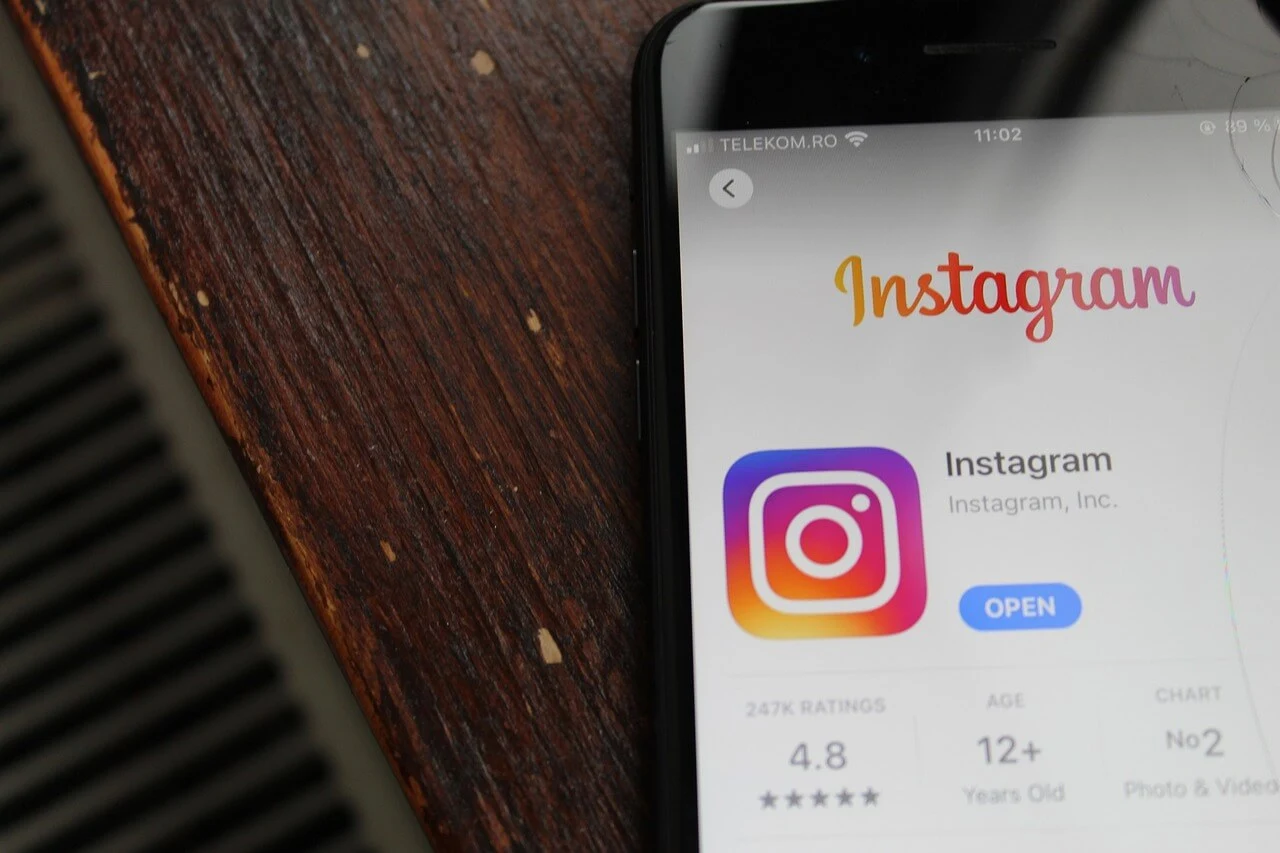
Music has played a huge role in TikTok’s success, with many music publishers and artists focusing on the app to reach audiences. However, if TikTok is forced to leave the U.S. next year as suggested by recent legislation, Instagram aims to step in as the new go-to platform for music enthusiasts with their new music features . Instagram’s Music Push Recently, Instagram has been rolling out several new music features: One of Instagram’s latest experiments is integrating with Spotify. This feature would let users display the song they’re currently listening to in their Instagram Notes, giving friends a peek into their musical tastes. You can choose to share this or keep it private, depending on your preference. Why Instagram Could Be the New Music Hub If TikTok does exit the U.S., Instagram is in a prime position to capture the music-loving audience. Unlike Snapchat, which focuses more on private sharing, Instagram’s public platform and new music features make it a strong contender for music discovery and discussion. The Future of TikTok Currently, TikTok faces a sell-off bill set to take effect early next year, potentially forcing it out of the U.S. market unless it sells to an American company. With Chinese authorities resistant to such a sale, Instagram might become the main platform for music content and trends if TikTok leaves. As Instagram continues to enhance its music features, it could become an even more valuable space for music lovers and industry professionals alike. Read: Optimize Your Website for Local Search in 2024: A Simple Guide

Optimize Your Website for Local Search in 2024: A Simple Guide
Local SEO can be overwhelming, but you don’t need to be a tech expert to improve your ranking on Google. The goal of SEO is to connect searchers with quality businesses, so if you offer a great product or service and a stellar customer experience, you’re already halfway there. Here’s a straightforward guide to help you optimize your webiste for local SEO without getting lost in technical details. 1. Claim Your Google Business Profile Setting up a Google Business Profile is crucial. This profile helps your business appear in local search results and the map pack. Make sure your profile includes: 2. Create Location and Service Pages If you have multiple locations or offer various services, create separate pages for each. Ensure each page has unique content to avoid duplicate content penalties. Include details like local staff, reviews, and photos to make each page distinctive. By tailoring content specifically to the location or service, you can better connect with your audience and address their unique needs, which also boosts user engagement and conversion rates. Moreover, these dedicated pages enhance your local SEO by allowing you to target location-specific or service-specific keywords more effectively. Consider adding localized testimonials or case studies that showcase your expertise and success in that particular area or service. This not only adds credibility but also personalizes the user experience, making visitors more likely to trust and choose your business. 3. Perform Keyword Research Identify keywords that potential customers might use to find your business. Use tools like Ahrefs or SEMrush to discover high-volume keywords related to your products or services. Target one primary keyword per page and use it in titles, meta descriptions, and throughout the content. In addition to primary keywords, consider long-tail keywords and questions your audience might ask, as these can capture more specific search intents. Don’t forget to analyze competitors’ keywords and understand what they’re ranking for. This insight can help you find gaps in your content and opportunities to outperform them in search results. Regularly revisiting your keyword strategy ensures that your content remains relevant and competitive, adapting to shifts in search trends and user behavior. 4. Optimize On-Page SEO Ensure each page is optimized for its primary keyword. Include the keyword in the title tag, meta description, and headers (H1, H2, H3). Provide detailed and relevant content that answers common questions and meets user needs. Additionally, use variations of your primary keyword to avoid keyword stuffing and to cover more search queries. Enhance your on-page SEO by improving page load speeds, ensuring mobile-friendliness, and incorporating multimedia elements like images and videos, all of which contribute to a better user experience. Don’t forget to optimize your images by using descriptive alt tags, as this helps with both accessibility and image search rankings. 5. Add Internal Links Help users and search engines navigate your site by linking related pages together. Ensure that important pages are accessible within two or three clicks from the homepage. Internal links also distribute page authority across your site, helping lower-priority pages rank better in search results. When creating internal links, use descriptive anchor text that clearly indicates the linked content’s subject. This practice not only improves user experience but also gives search engines better context about your pages, aiding in the correct indexing and ranking of your content. Regularly audit your site to ensure your internal linking structure remains efficient and relevant as your content evolves. 6. Implement Local Business Schema Use schema markup to help Google understand your business details. This structured data can enhance your search visibility and make your business more prominent in local search results. Properly implemented schema markup can lead to rich snippets, which improve click-through rates by providing users with more information upfront. Beyond the basics of local business schema, consider adding additional schema types like product, service, or event schema, depending on what’s relevant to your business. This further enhances your chances of appearing in relevant search results and can drive more targeted traffic to your site. Keep your schema markup updated to reflect any changes in your business details, ensuring that search engines always have the most accurate information. 7. List Your Business in Local Directories Add your business to local directories like Yelp and Angie’s List. Consistent Name, Address, and Phone number (NAP) across directories boost credibility and search ranking. Encourage customers to leave reviews on these platforms. Ensure your business categories, hours of operation, and descriptions are consistent and accurate to avoid confusion. In addition to major directories, seek out niche or industry-specific directories that cater to your target audience. These platforms can provide high-quality backlinks and drive more qualified leads to your site. Regularly monitor your listings to respond to reviews, update information, and ensure there are no inaccuracies or duplicates that could negatively impact your SEO. 8. Earn Local Backlinks Backlinks from reputable and local websites can boost your SEO. Engage with your community through events, sponsorships, and collaborations to earn valuable local backlinks. These links signal to search engines that your business is trusted and relevant within your geographic area. You can also reach out to local bloggers, news outlets, or industry influencers to feature your business in their content. Offering to write guest posts or providing expert opinions on local issues can earn you high-quality backlinks while establishing your business as a thought leader in the community. Regularly check the quality of your backlinks to ensure they come from reputable sources, as low-quality links can harm your SEO efforts. 9. Generate Customer Reviews Encourage satisfied customers to leave reviews. Positive reviews not only improve credibility but also help with rankings. Make it easy for customers to review your business via in-person requests, emails, or website instructions. Engaging with these reviews, whether positive or negative, demonstrates your commitment to customer service and can further enhance your reputation. Responding to reviews also provides an opportunity to incorporate keywords and reinforce your local presence, which can benefit your SEO. Highlight positive reviews in your marketing