

Google is looking to make a larger splash by integrating its own generative AI features in Gmail, Google Docs, Slides, Sheets, and other services after initially criticizing the most recent generative AI tools like ChatGPT and delaying its initial foray into the technology. In order to help users write emails, summarize conversations, come up with writing prompts, and do other tasks, Google is seeking to integrate a variety of generative AI elements into its different tools, as you can see in this video overview. As explained by Google: “with AI features in Gmail and Google Docs, you can simply type in a topic you’d like to write about, and a draft will be instantly generated for you. Whether you’re a busy HR professional who needs to create customized job descriptions, or a parent drafting the invitation for your child’s pirate-themed birthday party, Workspace saves you the time and effort of writing that first version.” The procedure is extremely reminiscent of ChatGPT, which Microsoft is currently integrating into all of its different apps and procedures. Read: The Ultimate Guide to Improving Website Performance with Core Web Vitals Due to the propensity for these systems to generate flawed, incorrect, or inaccurate results, Google had originally been hesitant to fully commit to generative AI. With millions of people joining the waitlist for the new, AI-infused Bing and other generative AI tools getting significant traction, it appears that Google has now been forced to take action. That implies that Google, which has been working on its own AI technology for years, either stays out of the fray or follows the current fashion. Evidently, it won’t be sitting in the stands and observing. A number of new functionalities will be made possible by the new elements in Google’s tools, including: Additionally, Google is releasing its own generative AI models that developers can build upon to incorporate its cutting-edge AI tools into more apps. It might be a significant development for the upcoming batch of productivity tools. And while there are worries that the emergence of generative AI will remove some of the human aspects from various processes, it is undeniable that, when used properly, these tools can improve workflows and save time in a number of different ways. However, it might also cause a lot more emails to read similarly, or you might observe that the tone of emails you’ve been exchanging with certain people for years has changed. We’ll soon find out because Google says that starting with English-speaking users in the United States this month, it will roll out its new AI experiences through its trusted tester program.

OpenAI Releases GPT-4 as Generative AI Tools Continue to Expand
You should probably start looking into the most recent generative AI tools if you haven’t already, as they are about to play a much bigger role in how we interact across a variety of developing fields. The next version of the AI model that served as the foundation for ChatGPT, OpenAI releases GPT-4 which is capable of ‘human-level productivity’ across a variety of tasks. According to Open AI: “For example, it passes a simulated bar exam with a score around the top 10% of test takers; in contrast, GPT-3.5’s score was around the bottom 10%. We’ve spent 6 months iteratively aligning GPT-4 using lessons from our adversarial testing program as well as ChatGPT, resulting in our best-ever results (though far from perfect) on factuality, steerability, and refusing to go outside of guardrails.” These restrictions are necessary because, despite being a remarkable technical accomplishment, ChatGPT has frequently led users astray by providing false, fabricated (or “hallucinated”), or biased information. Snapchat’s new ‘My AI’ system, which is based on the same back-end code as ChatGPT, provided the most recent illustration of the flaws in this system. Some users have found that the system can offer unsuitable information to young users, such as advice on drinking and using drugs and how to keep such things from your parents. Although there are intrinsic risks in using AI programs that generate responses based on such a wide variety of inputs, and “learn” from these responses, improved guardrails will protect against such. Nobody knows for sure what that might mean for system development over time, which is why some companies, like Google, have cautioned against the widespread adoption of generative AI tools until all of the potential ramifications are clear. But even Google is now making progress. Google has also announced that it will likely be incorporating generative AI into Gmail, Docs, and other services in response to pressure from Microsoft, which is attempting to integrate ChatGPT into all of its apps. Microsoft recently disbanded one of its main teams focused on AI ethics, which doesn’t seem like the best move given how frequently these tools are being used. This may be a sign of the times given that the pace of adoption from a business perspective outpaces worries about legislation and responsible use of the technology. And we already know how that works; before Meta and others recognized it, social media also experienced rapid adoption and widespread distribution of user data. These courses seem to have been pushed to the background as a fast value once more takes precedence. You’re more likely to engage with at least a few of these tools in the very near future as more tools hit the market and more integrations of AI APIs become standard in apps, however, it happens. What does that mean for your work and career? How will AI affect what you do and either improve or alter your course? Again, we don’t know, but as AI models develop, it may be worthwhile to try them out so you can gain a better grasp of how they apply in various situations and what they will do to your workflow. This improved model will exclusively build upon how we’ve already described how social media marketers can use the distinctive ChatGPT. As always, though, you should exercise caution and make sure you are aware of the limitations. According to OpenAI: “Regardless of its capabilities, GPT-4 has comparable limitations as earlier GPT fashions. Most significantly, it nonetheless is just not absolutely dependable (it “hallucinates” information and makes reasoning errors). Nice care ought to be taken when utilizing language mannequin outputs, significantly in high-stakes contexts, with the precise protocol (comparable to human assessment, grounding with extra context, or avoiding high-stakes makes use of altogether) matching the wants of a particular use-case.” Although the outputs of AI tools are rapidly improving, it is important to understand the full context of what they are creating, especially when it comes to professional applications. But once more, they’re arriving; more AI tools are emerging in new places, and sooner or later, you’ll be utilizing them in some capacity throughout your daily activities. You would become more dependent on these systems, lazy, and more willing to believe what they say. However, use them with caution and in a controlled flow; otherwise, you risk losing trust quickly. Source link

Twitter March Madness: New Insights Shared With Marketers
As the NCAA “March Madness” Tournament draws near, Twitter has revealed some fresh information to assist advertisers in leveraging the surrounding discourse and extending their reach among March Madness devotees. As per Twitter: “March Madness is an interactive experience on Twitter. Users live Tweet as the action takes place, with approximately 80% of #MarchMadness Tweets happening during gameplay in 2022. We recommend a mix of planned and live content for your campaign, to keep content fresh and demonstrate to fans that you’re invested and along for the ride.” Given that video views on tweets about college basketball have increased by 41% year over year, this year’s event is probably going to be a huge topic of discussion on Twitter once again. Read: The Ultimate Guide to Improving Website Performance with Core Web Vitals To optimize resonance and reach, it makes sense to coordinate your March Madness outreach with this trend since the video is one of the best-performing content categories across all platforms. This graph, which Twitter also made available, shows how many people are talking about March Madness at various points during the event. It could be a useful tool for your tie-in campaigns, allowing you to match the most interesting spikes with your thematic efforts. Language plays a significant role in the March Madness conversation, according to Twitter: “We’ve observed trending keywords related to history and drama (upset, cinderella, buzzer-beater, historic) spike in the #MarchMadness conversation. This is an opportunity for copywriters to evolve campaign language to reflect how real fans are talking about the tournament and the teams they’re supporting.” Another thing to think about when planning your strategy. Millions of people watch March Madness every year, and they tweet about all the highs and lows of the tournament. These tips could make sure you don’t miss out on meeting college basketball enthusiasts and casual onlookers at crucial times. That could present a variety of worthwhile prospects. More March Madness thoughts from Twitter can be found here.

LinkedIn Launches Collaborative Articles to Boost Member’s Engagement
LinkedIn has taken a new initiative and introduced “Linkedin collaborative articles” and mentioned that it will start utilizing artificial intelligence to enhance its content. Collaborative Articles will use AI-generated prompts to then challenge particular users for their expertise and contribution. As explained by LinkedIn: “These articles begin as AI-powered conversation starters, developed with our editorial team. Then, using LinkedIn’s Skills Graph, we match each article with relevant member experts who can contribute their lessons, anecdotes, and advice based on their professional experience. And, that’s when the real magic happens: when professionals share real-life, specific advice by contributing their perspectives to the work questions we’re all facing every day. Because starting a conversation is harder than joining one, these collaborative articles make it easier for professionals to come together and add and improve ideas – which is how shared knowledge is created.” Read: The Ultimate Guide to Improving Website Performance with Core Web Vitals The number of LinkedIn users who have contributed will be noted next to any collaboration articles that are highlighted in the LinkedIn feed. The features of the contributors will then be highlighted in the article for users to see, and there will also be a button to contribute a unique viewpoint to the AI-generated work. LinkedIn hopes that by doing this, more users will be able to learn more about their skills and experience on the app, which will also enable them to gain more connections and followers.

TikTok Introduces Keyword Insights Tool to Show Data on Top Performing Ad Copy
With the addition of a new “Tiktok Keyword Insights Tool” to its Creative Center, TikTok has provided marketers with yet another useful study tool. This feature allows you to learn more about the words and phrases that are performing the best in TikTok ads. As explained by TikTok: “Sometimes the biggest obstacle to making meaningful creative is finding the right words to use. Our new Keyword Insights tool helps you discover the top keywords that resonate with your audience and industry. Browse keywords that have appeared in real, successful ad campaigns. Then watch the ads themselves for ideas about how to incorporate those keywords into your script, ad text and overlays.” You can look through a list of the most frequently used terms in TikTok ads using Keyword Insights, as shown in the screenshot above. You can see how frequently those terms have been used, what the CTR of the corresponding ads has been (on average), and more. Read: The Ultimate Guide to Improving Website Performance with Core Web Vitals You can learn even more about how each word was used in each advertisement by tapping the “Details” element to the right of each example. You can learn whether the term is more frequently used as text or voice over in clips. Additionally, you can watch examples of the particular videos that use those words, giving you a fuller understanding of how other companies have achieved success with their copy.

Snapchat Launches New ‘My AI’ Tool with In-App ChatGPT Integration
With the arrival of a new chatbot component for Snapchat+ subscribers called “My AI,” which will incorporate ChatGPT into the platform and offer AI-generated answers to inquiries, Snapchat is the first social media platform to jump on the generative AI bandwagon. My AI is a brand-new chatbot that is only accessible to subscribers of OpenAI and is driven by the most recent GPT technology. Notably, Snapchat is now the first social media platform to incorporate AI elements directly into its user interface (UI), giving them a unique advantage over its rivals and allowing them to capitalize on the buzz surrounding AI. This week, subscribers to Snapchat+ ($3.99/month) will have access to the “My AI” experimental AI function. Read: Microsoft Adds AI chatbot to Bing and Edge Mobile Apps As part of this initiative, Snapchat has worked with Google’s AI-driven conversational tool known as “Bard” to create a chatbot product that is comparable to those made available by Microsoft and Google. My AI offers a variety of helpful functions for users, including proposing birthday present ideas for your best friend, planning a hiking trip for a long weekend, offering dinner suggestions, and even creating a haiku about cheese for your buddy who enjoys cheddar. Users can name the AI and select a wallpaper for their conversation to further personalize the experience. It’s crucial to remember that My AI, like all chatbots driven by AI, has the potential to have “hallucinations” and is susceptible to being duped. The business cautions customers against disclosing private information to My AI or , asking for guidance from it since all conversations are recorded and could be reviewed.

Instagram Tests New Feature ‘User Location Listings’ on Reels Clips
Instagram is experimenting with a feature ‘User Location Listings’ that aims to increase transparency around Reels content. The platform is testing the option to list the location of the profile that created the clip on the video. An example shared by Salman Memon shows that location information is now visible on certain Reels clips. The explanation in the app is as follows: “Instagram is providing this information because, in rare cases, accounts may be misleading people about where they’re based.” Instagram’s “learn more” CTA then takes you to a page with false information outlined—measures that it’s implementing to combat misinformation on the app. Read: Top 10 Social Media Mistakes That Are Hurting Your Brand Exposing these operations could be a good way to reduce their effectiveness, or at least make users aware of how groups outside the region may try to influence opinion on certain subjects. Listing the location of posts up front adds an extra layer of important context, and could highlight potential misinformation to users. It’s also simple and unobtrusive; it’s a way to draw attention that won’t confuse or distract the viewer from comprehending the information being presented. In recent years, Instagram has added a number of elements to combat the spread of misinformation on its platform: labels that identify false information; removal from search results for posts containing questionable content; and proactive detection by artificial intelligence. According to Meta’s most recent Coordinated inauthentic Behavior update, the company has taken down over 200 global networks—from 68 countries—as it continues its efforts against those looking to use its platforms and manipulate users. This is another force behind the push to find out what happened, and while its role may not seem significant at first glance, it could prove critical in a wider perspective.

LinkedIn Previews New Job and B2B Product Search Options for 2023
LinkedIn’s next changes have been previewed, including new job category filters that reflect popular career moves and enhanced search capabilities for product listings in the app. Currently, the app has over 90,000 active product listings and with this update, you can list your business products on their own pages on LinkedIn. First, let’s talk about LinkedIn’s new job search filters. Soon, LinkedIn will test new job listing categories based on region, company, position flexibility, and more in order to better reflect how people seek their next employment. In order to make it easier for you to find more possibilities that fit various interests, LinkedIn’s job categories will divide listed roles into several, trend-aligned divisions. See the example below. According to LinkedIn: “We often hear from professionals that they would like to discover and explore new career opportunities, even if they are not actively pursuing another job. We’ve seen an increase in members who are ‘casually’ exploring job opportunities, especially ones that align more with their values and preferences (e.g. work-life balance, flexible work arrangements, up-skilling and career growth). To help professionals discover what’s possible for them, we are testing a new showcase of personalized job collections that don’t require members to articulate their needs in a search box.” LinkedIn mentions that finding innovative ways to develop or change your job has been a growing concern for many workers. Read: TikTok Trends 2023 – ‘What’s Next’ Report Launched for marketers With intentions to quickly expand from there, LinkedIn states that it would start testing these new job category ads “with a few industries and collections in the US.” In order to increase the possibility for discovery of its B2B product pages, which it initially debuted back in 2020, LinkedIn is also aiming to provide new category filters for its product listings in the app. As previously mentioned, LinkedIn hopes to improve its product search functionality in order to increase app usage with the tens of thousands of products that are now featured. It will be fascinating to see whether product search actually develops into a more significant component of the LinkedIn experience as this might present new revenue-generation potential for companies as well as LinkedIn itself. These are just a few of the updates LinkedIn plans to implement in 2023 as it strengthens its position as the go-to professional social network and location for discussing job and career prospects. And when more users think about leaving Twitter with a lack of assurance regarding the platform’s future, LinkedIn may wind up benefiting since many professional talks may move there instead. Although LinkedIn doesn’t provide the same real-time interaction as Twitter, it does offer a variety of audio and video event alternatives that may take the place of Twitter conversations and the like. Maybe. Before we fully grasp Twitter’s future direction, there is still more work to be done.
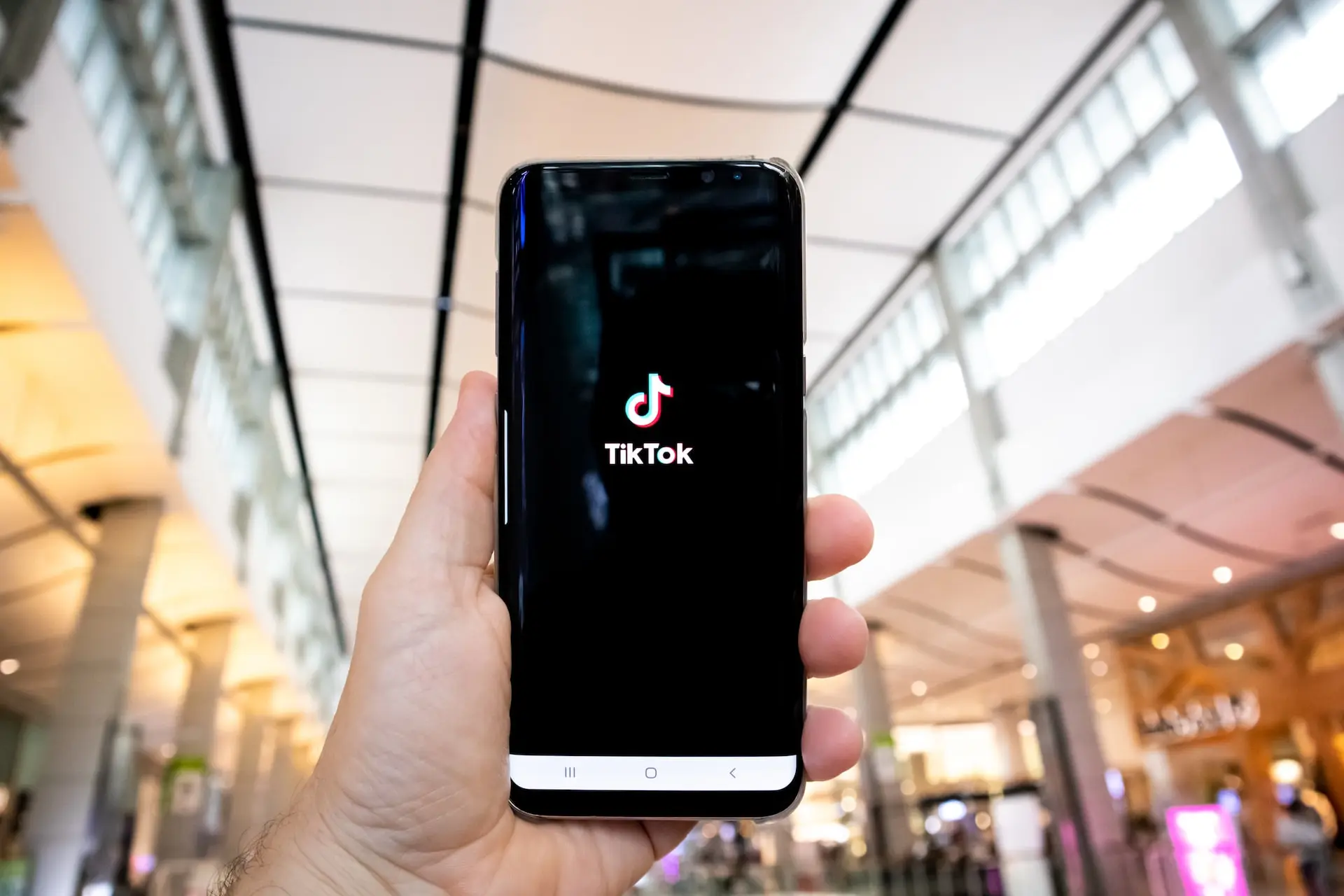
TikTok Trends 2023 – ‘What’s Next’ Report Launched for marketers
TikTok has had a greater cultural impact than other platforms during the past two years. The short-form video app has led to numerous new changes in the interactive environment and altered how people discover artists, works of art, and everything in between. ‘What’s Next’ TikTok trends 2023 Report has been launched for marketers. Given this, it can be argued that no platform is better positioned to forecast future trends than. This report examines the key changes that TikTok is seeing from a marketing perspective within the context of overall engagement across the app. You can read the TikTok What’s Next report 2023 here, but here we’ll look at some of the highlights, which could be quite helpful in your planning. Read: Do’s and Don’ts of Social Media for Small Businesses in 2022 This time, TikTok has divided its forecasts for marketing trends into three groups: Actionable Entertainment has to do with how businesses advertise on the app; on TikTok, this should be done in a more enjoyable, platform-appropriate manner. As per TikTok: “For brands, the most effective messages on TikTok are uplifting, funny and personalized, or entertaining their audiences. Brands can build on this entertainment value by using editing techniques like syncing sounds to transitions or adding text overlays – which are effective at keeping viewers’ attention.” Therefore, avoid overt marketing and instead tailor your content to how users are actually interacting with the app. You’ll be in a better position to engage the TikTok audience the more you can coincide with usage behaviors. For each trend, TikTok also provided examples and practical advice: Making Room for Joy, on the other hand, is about how TikTok users are using the app to celebrate life, which brands should aim to capitalize on. “Whether it’s the growth of meme culture – providing a language for people to bond over humor; people sharing well-being “life hacks” – everyday strategies that empower people to make space for themselves whenever they need; or a creator highlighting how they reward themselves at any budget level, people are dedicating space and time for joy in the way the best suits them.”TikTok claims that in 2023, advertisers may profit from creating content that inspires people to achieve happiness in their own lives or provides it through humour, relaxation, and relatable points of view. Community-Built Ideals emphasizes the need of fostering community within the app in order to maximize communications resonance. “TikTok is not a town hall meeting. It’s a collection of tiny clubs where people can find new ideas on how to explore their passions and live their lives. In fact, TikTok is 1.8x more likely to introduce people to new topics they didn’t know they liked compared to traditional social platforms. And as people seek out ways to break the status quo, they’ll look to peers and role models who demonstrate the confidence to live life the way they want to.” According to TikTok, users are increasingly using the app to research specialized interests and discover solutions to queries. Brands may capitalize on this trend by seeing the value of these dialogues and encouraging these behaviors. Overall, this summary pretty well follows the TikTok guideline that was previously mentioned: produce entertaining content that looks natural. Although TikTok hasn’t provided a lot of new contexts, there are some helpful hints and recommendations to help you plan out a better TikTok strategy. And more businesses are doing just that as the app’s user base expands.

Instagram Account Status Update: Creators will get to know if their Content is Eligible
Instagram Account Status Update is all about taking steps to improve transparency for creators with a new upgrade to its in-app Account Status dashboard, which will reveal if your content is eligible to be suggested by its various algorithms and will also give tips on how to resolve any concerns. A new aspect to Instagram Account Status will highlight if your material is acceptable for a recommendation, as usual, or if there is a problem with anything you’ve shared. If you see a yellow alert in your Account Status display, you may tap to learn more, which will then display a sample of posts that may be in violation of Instagram’s rules, as well as an explanation of why they may be in violation of platform policy. Read: Social Media Marketing by Beacon Innovation: The Only Guide You’ll Ever Need Instagram CEO Adam Mosseri provides an overview of the new procedure from the company’s London headquarters. It’s a huge step toward increasing transparency in Instagram’s approach and demonstrating ‘shadowbans,’ which may be a great benefit for people trying to make sure they’re getting the most out of the platform. Because you could not be eligible for recommendations and never know it – so now, if your reach drops or someone claims they’re not getting your updates, you can check in here to make sure everything is in order. And if everything is fine, it’s simply your content that isn’t connecting. Which is an issue in and of itself, but not a technical one. As previously stated, the capabilities are part of Instagram’s Account Status dashboard, which was initially introduced in October of last year and has been gradually rolled out to all users over the year. According to Instagram, all users should now have access to the option, which includes these additional indicators of content violations and reach implications. So you may now debunk or confirm your suspicions of’shadowbans’ or access limitations based on unknown infractions. Instagram is being straightforward about this, while also giving additional information to assist you in resolving any concerns.